


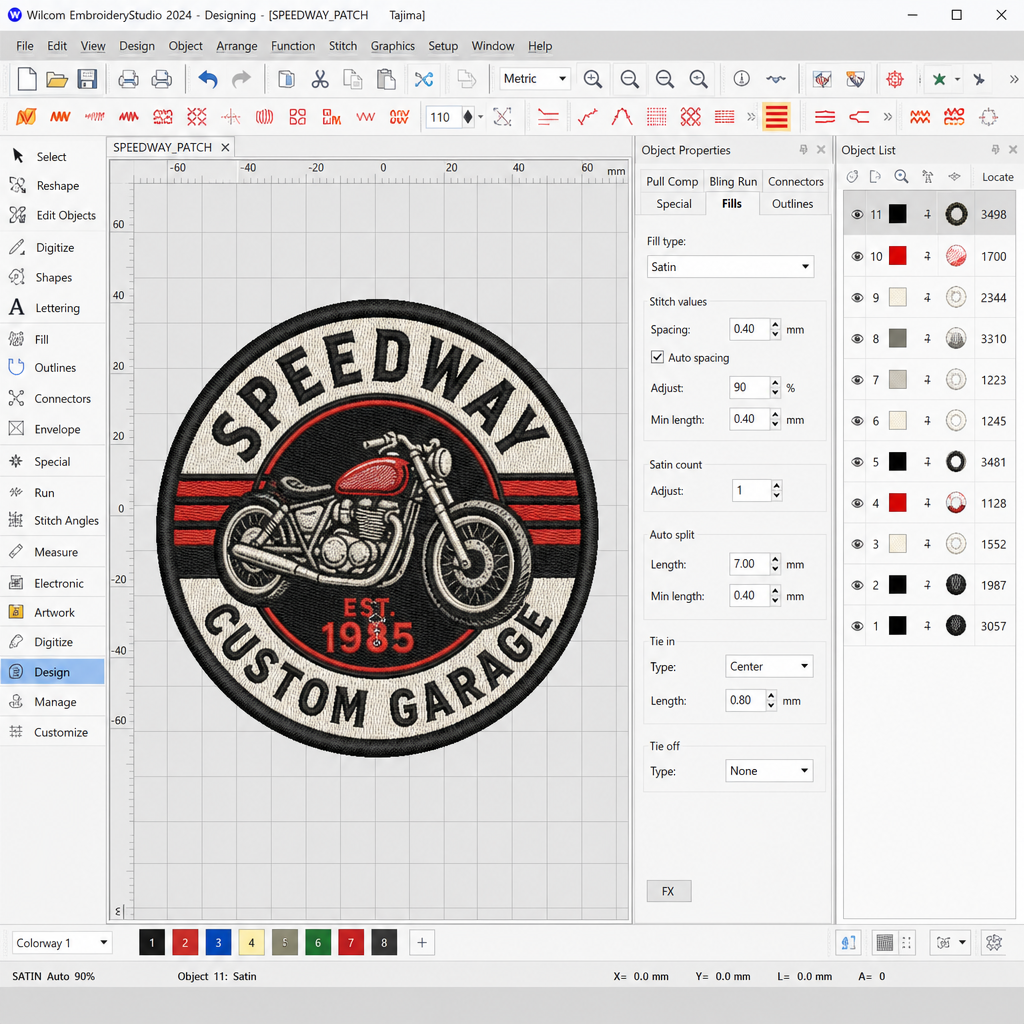
Embroidery Digitizing Technologies A shop owner in the 1980s once had to handpunch a paper tape just to get a single logo running on a commercial machine hours of work for one design, with no way to preview it until the needle actually hit fabric. That process, slow and unforgiving, is the direct ancestor of the software running on shop computers today. Understanding how we got from paper tape to a few clicks is really a story about embroidery digitizing technology, and how each generation of tools solved the failures of the one before it.
This didn’t happen overnight, and it didn’t happen in a straight line. Every leap forward in digitizing came from someone getting frustrated with a real limitation a machine that couldn’t read a curve properly, software that choked on more than three colors, a punch card that took a full day to produce a design a modern digitizer finishes before lunch.
This guide walks through that progression: where digitizing started, what pushed it toward computers, and where the technology actually stands for shops and hobbyists working today.
Embroidery Before Digitizing Existed
Embroidery Digitizing Technologies Long before anything digital touched a needle, embroidery was entirely a hand skill, passed down through practice rather than instruction manuals. Stitchers built up techniques over generations the chain stitch, prized for its ropelike texture and used in everything from folk garments to military insignia, and sashiko stitching, the Japanese runningstitch tradition originally developed to reinforce and mend worn fabric.
Crewel work brought wool thread into decorative territory raised, textured designs on heavier fabric that no other technique could match. Satin stitch did the opposite, filling shapes with smooth, glossy color instead of texture. And bead embroidery went a step further still, working actual beads into the stitch pattern for real dimension. None of it scaled, though. Each technique demanded years to master, and a single elaborate piece could eat a skilled embroiderer’s whole week.
That’s the world digitizing eventually disrupted: a craft entirely dependent on individual hand skill, with no way to reproduce a design quickly or consistently.
The History of Embroidery Digitizing Technologies From Punch Cards to Pixels
The history of embroidery digitizing actually starts with the Jacquard loom in the early 1800s, which used punched cards to control weaving patterns automatically the first time a textile process had been controlled by stored, repeatable instructions rather than a human hand guiding every movement.
That basic idea encode a pattern once, run it as many times as you want carried forward into embroidery. By the mid20th century, commercial embroidery machines used a similar punchtape system, where operators physically created the pattern using holes in paper tape that told the machine where to stitch. It worked.
How Embroidery Digitizing Technologies Software Changed the Craft
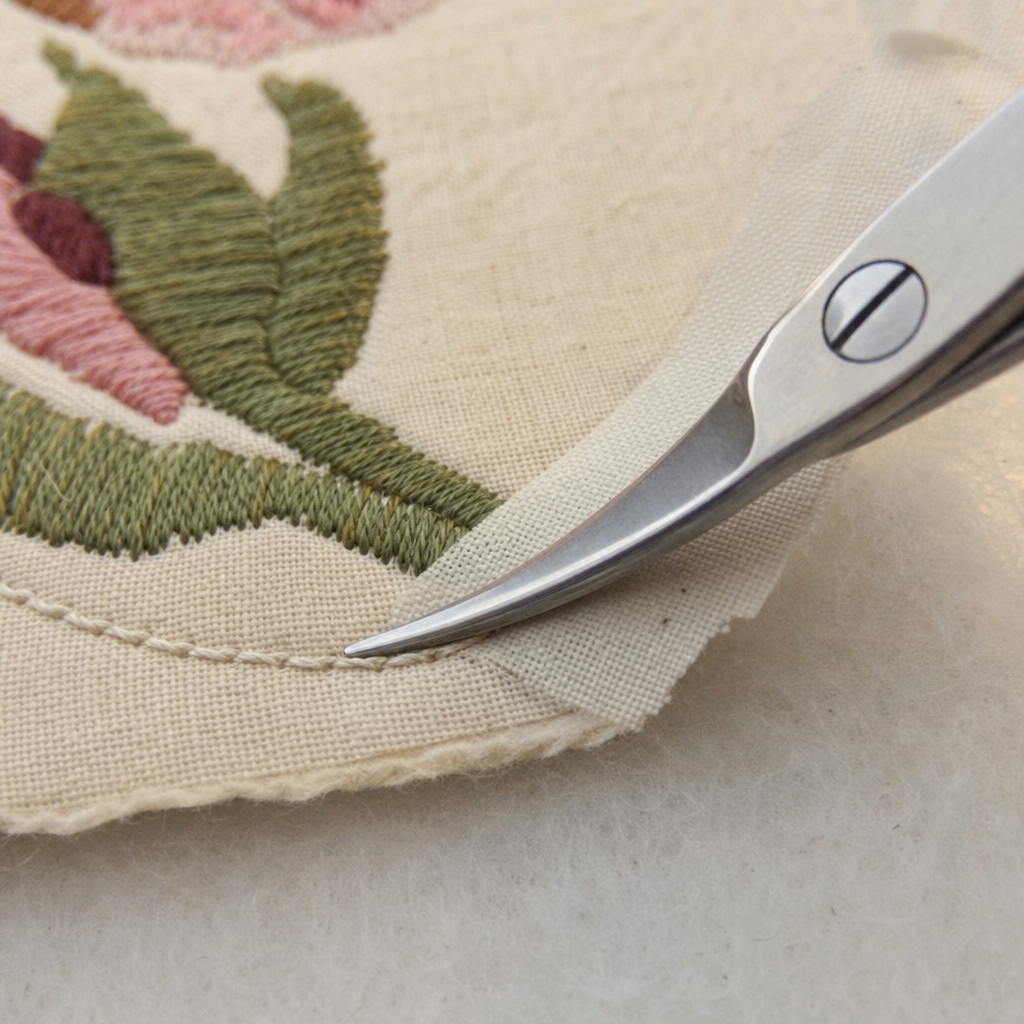
Embroidery digitizing software is what actually turned digitizing from a specialized industrial process into something a small shop or a hobbyist with a home machine could realistically learn.
Early Embroidery Digitizing Technologies programs in the 1980s and 90s were clunky, requiring digitizers to manually trace every stitch path with a mouse, object by object. What changed everything was the shift toward autodigitizing tools that could interpret a vector image and generate a reasonable stitch path automatically, cutting the time on a simple logo from hours to minutes.
Modern digital embroidery technology goes further still. Software today lets a digitizer control stitch density, underlay, and pull compensation with real precision, preview a stitchout before a single thread is used, and export the same file across dozens of machine formats. That last part matters more than people realize a design built for a Tajima commercial machine needs a completely different file than one built for a home Brother machine, and software handles that conversion instantly instead of requiring a full redo.
Milestones in embroidery digitizing technology
Era | Key Development | Impact |
Early 1800s | Jacquard punchcard loom | Introduced pattern automation to textiles |
1960s–70s | Commercial punchtape embroidery machines | Automated repetitive stitching for the first time |
1980s–90s | Early computerized digitizing software | Designs became editable and reusable on screen |
2000s | Autodigitizing and vectortostitch conversion | Cut digitizing time from hours to minutes |
2010s–present | Cloudbased, AIassisted digitizing tools | Realtime previews, multiformat export, remote collaboration |
The Rise of Consumer Embroidery Machines
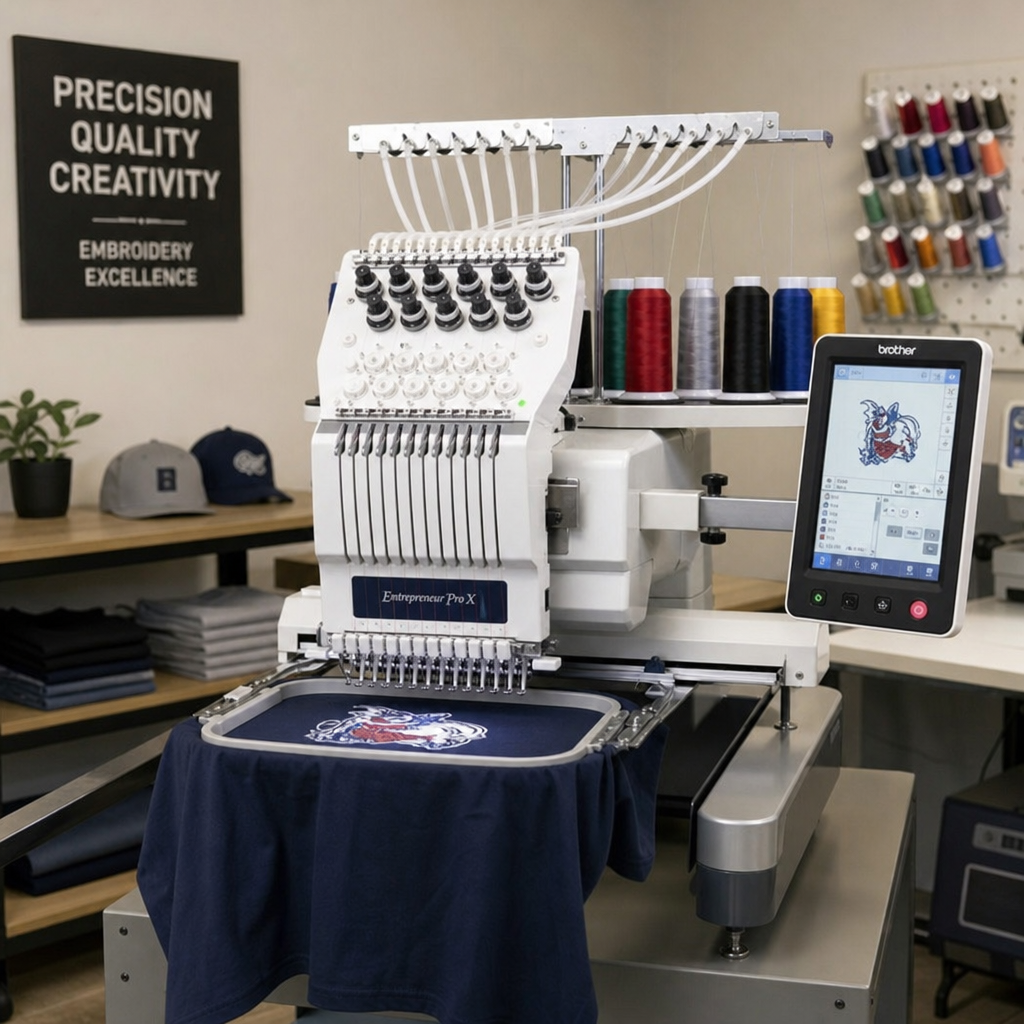
For most of digitizing’s history, the technology stayed locked inside commercial shops the equipment was too expensive and too complicated for home use. Then consumer machines caught up to what used to require an entire industrial setup, and that changed fast.
This shift mattered beyond convenience. It meant hand embroidery techniques that once required years of practice clean lettering, consistent fills, precise curves became achievable for beginners working from digitized files, while still leaving plenty of room for traditional handwork on pieces where machine stitching isn’t the point.
Where Embroidery Digitizing Technologies Stands Today
Current digitizing tools lean heavily on automation without fully replacing the digitizer’s judgment. Software can now suggest stitch types based on the shape it’s reading, flag areas prone to puckering before the design ever gets stitched, and simulate exactly how a design will look on different fabric weights.
Custom Embroidery Digitizing Technologies work the kind small shops do daily for logos, monograms, and oneoff gifts has become dramatically faster because of this. A shop that once needed a dedicated digitizer on staff fulltime can now handle routine work with software assistance and reserve skilled manual digitizing for genuinely complex designs.
None of this eliminated demand for the older techniques, either. Chain stitch embroidery and sashiko embroidery have both seen a real resurgence, precisely because people are drawn to visible, imperfect handwork as a contrast to machineperfect output. Crewel embroidery shows a similar pattern decorative, textural work that digitizing software can approximate but not fully replace.
Finding Embroidery Digitizing Technologies Services Today
Whether someone wants custom Embroidery Digitizing Technologies near me for a oneoff gift or a business owner needs recurring stitched apparel work for uniforms, the landscape looks completely different than it did even a decade ago. Most embroidery shops near me searches today turn up businesses running a mix of digitizing software and commercial multineedle machines, capable of turning around a design sameday that would have taken a week of manual work in the punchtape era.
Local embroidery shops vary widely in what they specialize in some focus purely on highvolume logo work, others still offer handfinished detailing like beadwork accents or custom monogramming that software alone can’t replicate. Checking a shop’s portfolio before committing to an order is still the best way to know which kind you’re dealing with.
Final Thoughts
The path from punched paper tape to today’s autodigitizing software wasn’t a single invention it was decades of small fixes to real, frustrating problems, each one making the craft slightly faster and more accessible than the last. Understanding that history actually helps when evaluating current tools, since most modern software features exist specifically because an older method failed at them.
FAQs
What is embroidery digitizing technology?
Software and hardware systems that convert an image or design into a stitch file a computerized embroidery machine can read and sew controlling stitch type, direction, and density automatically.
How is computerized embroidery different from working by hand?
A machine follows a digitized stitch file for speed and consistency. Manual stitching gets worked one pass at a time by a person, which allows for texture and technique a machine can’t fully copy.
How do I find a good local embroidery shop?
Check the portfolio for the specific type of work you actually need bulk logo runs versus detailed custom pieces are different skill sets, and shops tend to specialize even when their general service list looks the same.
Is embroidery more expensive than printed designs?
Usually, yes stitching just takes more machine time than printing does. That said, embroidery tends to last longer and hold up better through repeated washing.
What embroidery techniques are still done by hand today?
Sashiko and woolthread decorative stitching, mostly people choose them specifically for that handmade texture rather than machine precision.