


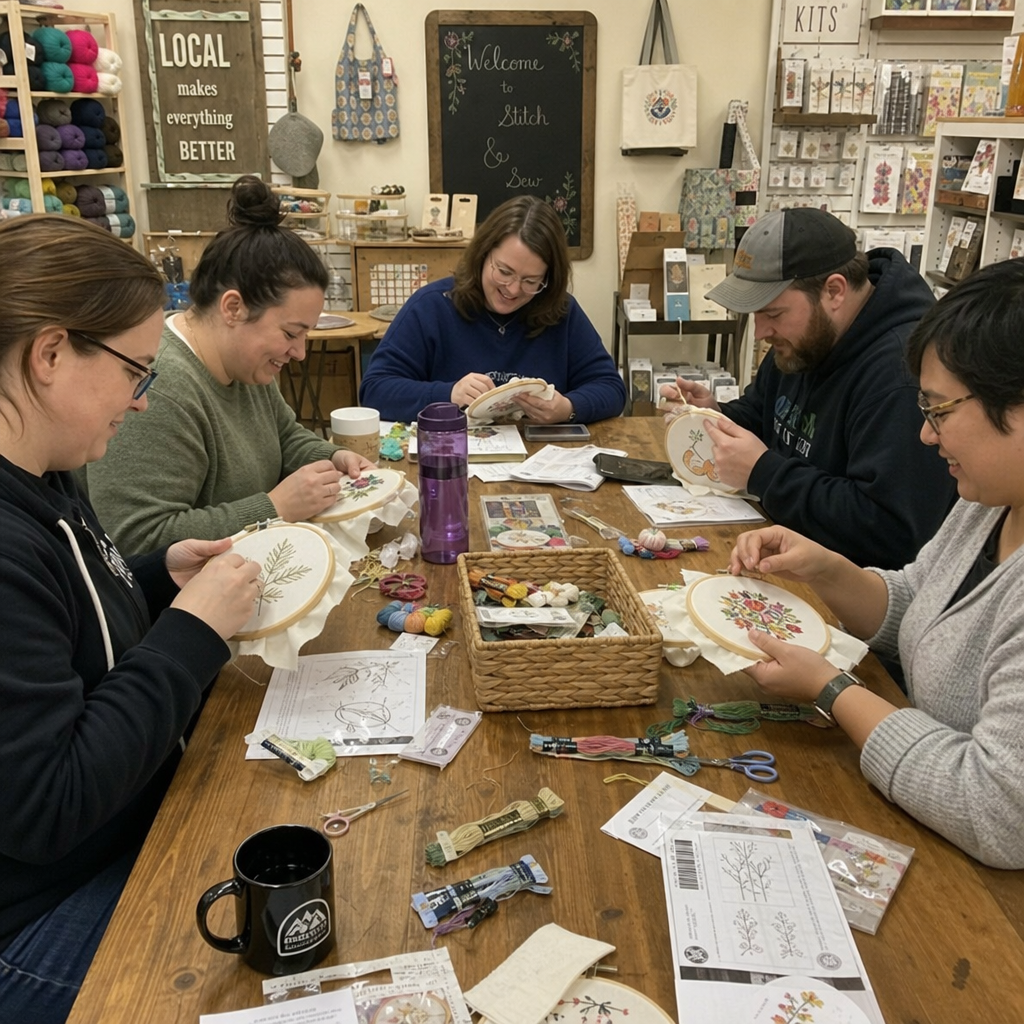
A small apparel shop owner gets a rush order Friday afternoon: 40 polos, a client logo with three thread colors and a tight deadline, and no in-house digitizer available until Monday. This is the exact moment most business owners start to seriously consider whether it’s time to outsource embroidery digitizing instead of scrambling to figure it out themselves. It’s a familiar bind the work is there, the skill isn’t, and the clock keeps moving.
For a lot of shops, this scenario repeats more often than they’d like to admit. Maybe someone on staff can technically operate the software, but the files come out clunky, stitch counts run high, and thread breaks eat into production time. At some point, the math stops favoring DIY.
This article breaks down why so many apparel businesses, from home-based Etsy sellers to full production shops, hand this work off rather than build that skill set internally, what to actually look for in a provider, and how to tell when the switch is worth making.
Why Businesses Choose to Outsource Embroidery Digitizing Services
Embroidery Digitizing Services looks simple from the outside upload an image, click a button, done. In practice, it’s a skill that takes years to get genuinely good at, and a bad file causes real damage: broken needles, puckered fabric, wasted thread, and a client who isn’t getting their logo back looking sharp.
- The Time Cost of DIY Digitizing
We’ve seen shop owners spend three or four hours wrestling with a single logo that a trained digitizer could clean up in twenty minutes. That’s not a knock on anyone’s effort digitizing well requires understanding stitch density, pull compensation, and fabric behavior, none of which show up on a quick tutorial. Every hour spent fighting software is an hour not spent running machines or talking to customers.
- Quality Control Without the Learning Curve
A trained digitizer already knows how a satin stitch behaves on terry cloth versus twill, how to path a design so the machine doesn’t jump all over the place, and how to keep density consistent across a whole batch. Getting a staff member to that level takes real time and a fair number of ruined samples along the way.
Good providers also test-stitch before sending anything back, which catches problems like a satin column that’s too wide or lettering that’s going to fray before they ever reach your machine. That step alone saves a shop from burning fabric on a design that was never going to sew cleanly.
Handling Complex Logos and Detailed Artwork
Not every logo is a flat, two-color mark you can run through auto-digitizing and call it a day. Gradient shading, fine text, or layered artwork usually calls for custom Embroidery Digitizing Services built around the specific piece, not a generic template. This is where manual punching earns its reputation a digitizer working by hand can compensate for pull, adjust underlay by section, and sequence colors so the machine isn’t jumping around unnecessarily.
How to Choose the Right Embroidery Digitizing Services Partner
Picking a logo digitizing company shouldn’t come down to whoever’s cheapest on a freelance marketplace. Turnaround time matters, sure, but so does communication, revision policy, and whether they’ll actually test-stitch before sending a final file. A provider that won’t answer a quick question about stitch count before you commit is a red flag worth paying attention to.
Ask to see samples from designs similar to what you’re sending a company that mostly does simple text logos may not be the right fit for a detailed mascot or a photo-realistic portrait design.
- In-House Digitizing vs. Professional Digitizing Services
| What to Compare | In-House Digitizing | Professional Digitizing Services |
|---|---|---|
| Learning Curve | Your team needs months—or even years—to master Embroidery Digitizing Services and produce consistent results. | No training is required. Skilled digitizers handle the work from the start. |
| Time Per Design | Complex designs can take several hours or even an entire day to complete. | Most providers deliver finished files within 12–24 hours, helping you meet tight deadlines. |
| Cost | Costs include employee time, digitizing software, training, and ongoing maintenance. | Most logo digitizing jobs cost around $10–$30 per design, making outsourcing affordable for many businesses. |
| Consistency | Quality depends on the experience of the person creating the file, so results may vary. | Professional teams follow proven processes to deliver consistent, reliable embroidery files every time. |
| Best Choice For | Businesses with a steady flow of embroidery work and a dedicated in-house digitizing team. | Small and mid-sized businesses, seasonal embroidery shops, startups, and anyone needing quick, dependable results without hiring extra staff. |
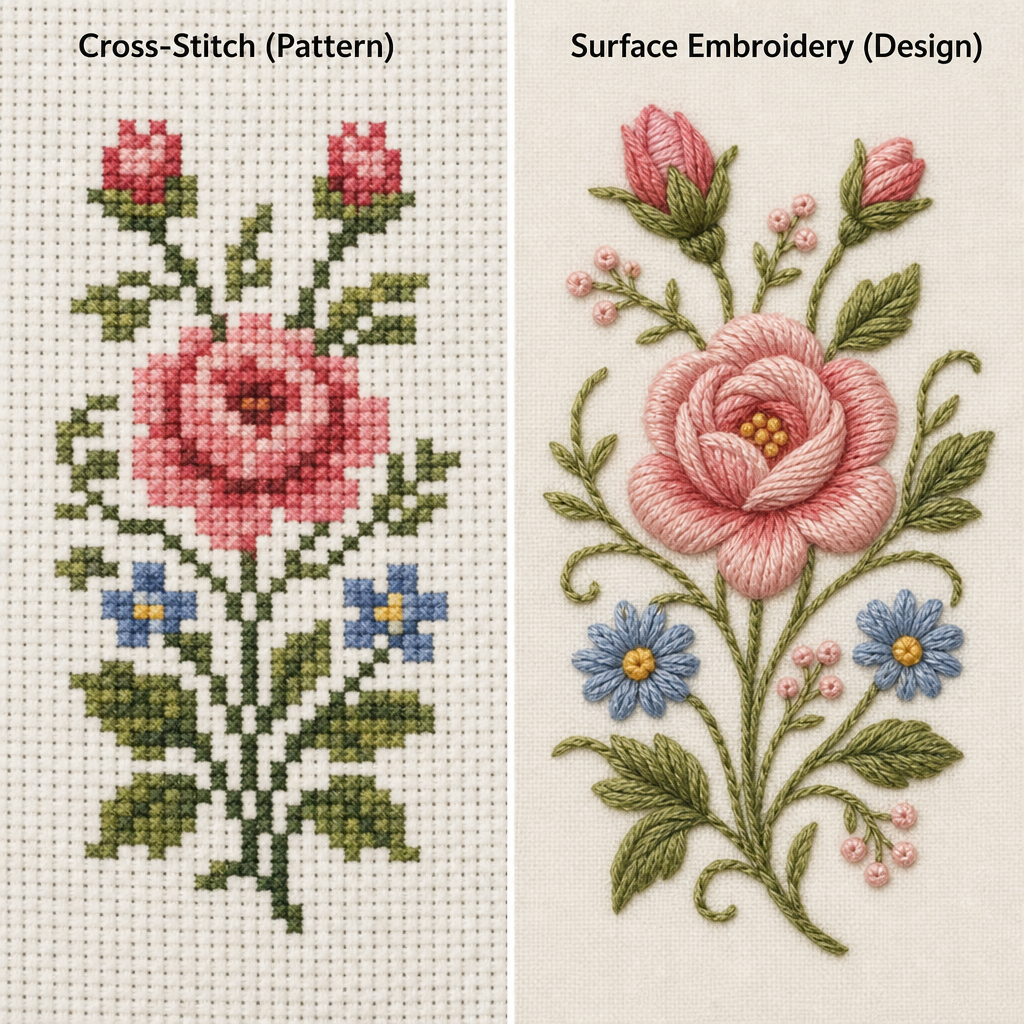
When It Makes Sense to Outsource Embroidery Digitizing
If your shop handles the occasional custom order, outsourcing almost always makes more financial sense than paying for software licenses and training. Embroidery Digitizing Services The equation flips for large operations running thousands of pieces a week, where an in-house digitizer earns their salary fast. Most shops fall somewhere in between, and that’s exactly where outsourcing tends to pay off.
Seasonal spikes are another common trigger holiday orders, back-to-school runs, a sudden batch of team uniforms. Rather than hiring temporary staff to digitize a stack of one-off designs, sending them to a provider keeps quality consistent without adding payroll.
Final Thoughts
The decision usually isn’t complicated once you look at your actual order volume. If digitizing eats hours you could spend running production or landing new clients, sending it out is the practical move not a shortcut, just good math.Embroidery Digitizing Services Start by testing one provider on a low-stakes design, check the stitch-out quality yourself, and build the relationship from there before committing to it as a regular part of your workflow.